Technical Research & Field Diagnostics in Pflugerville TX
Pflugerville residential HVAC systems operate under severe climatic demands that differ significantly from national equipment testing standards. Our engineering team publishes practitioner failure analyses to help homeowners diagnose cooling breakdowns, understand electrical stress mechanisms, and prevent catastrophic equipment failures.
Explore our comprehensive engineering articles below covering local soil conditions, power grid fluctuations, seasonal allergies, and attic air handler thermodynamics.
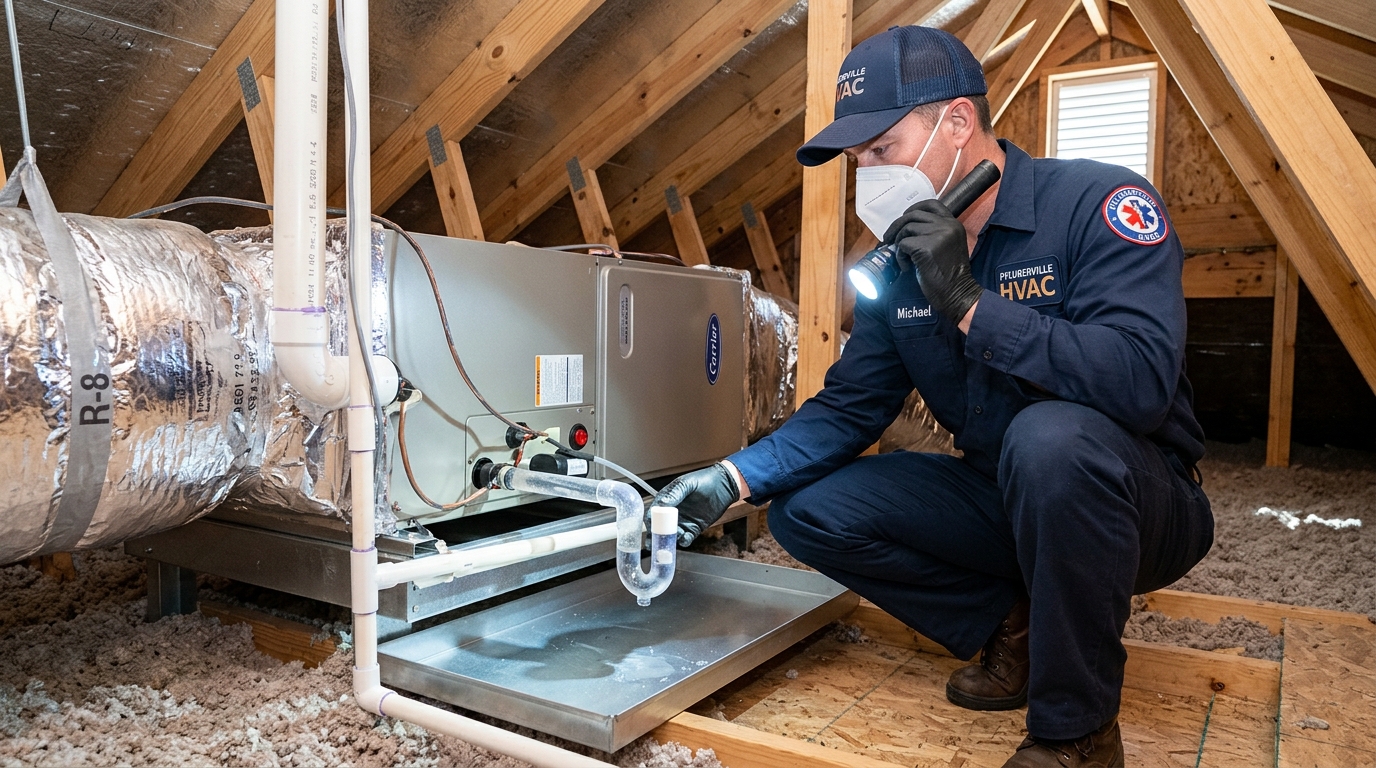
Learn how extreme attic heat and high humidity trigger biological slime growth that blocks 3/4-inch PVC drain lines and causes ceiling water damage.
Read Full Guide →
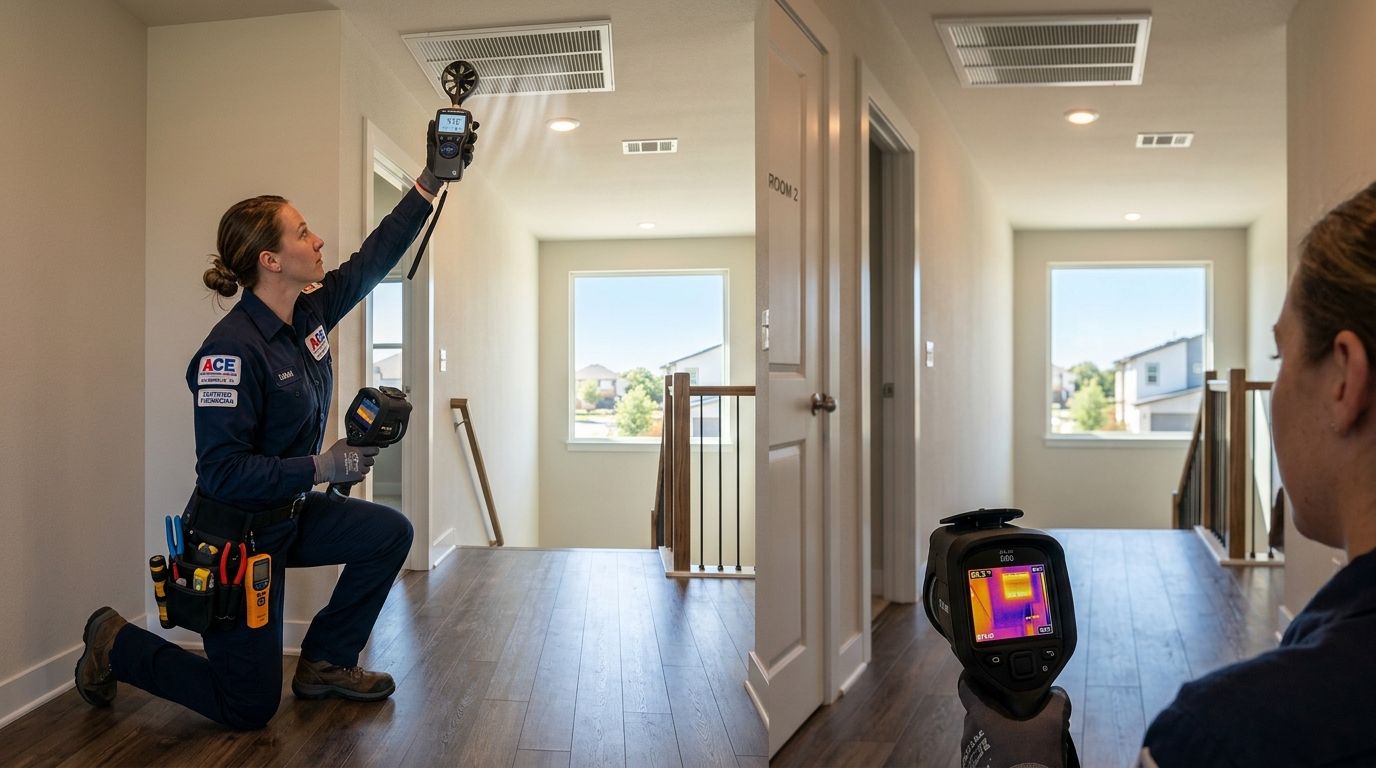
Engineering breakdown of upward thermal convection, attic radiant heat transfer, and why builder-grade single-stage systems fail to cool second floors.
Read Full Guide →
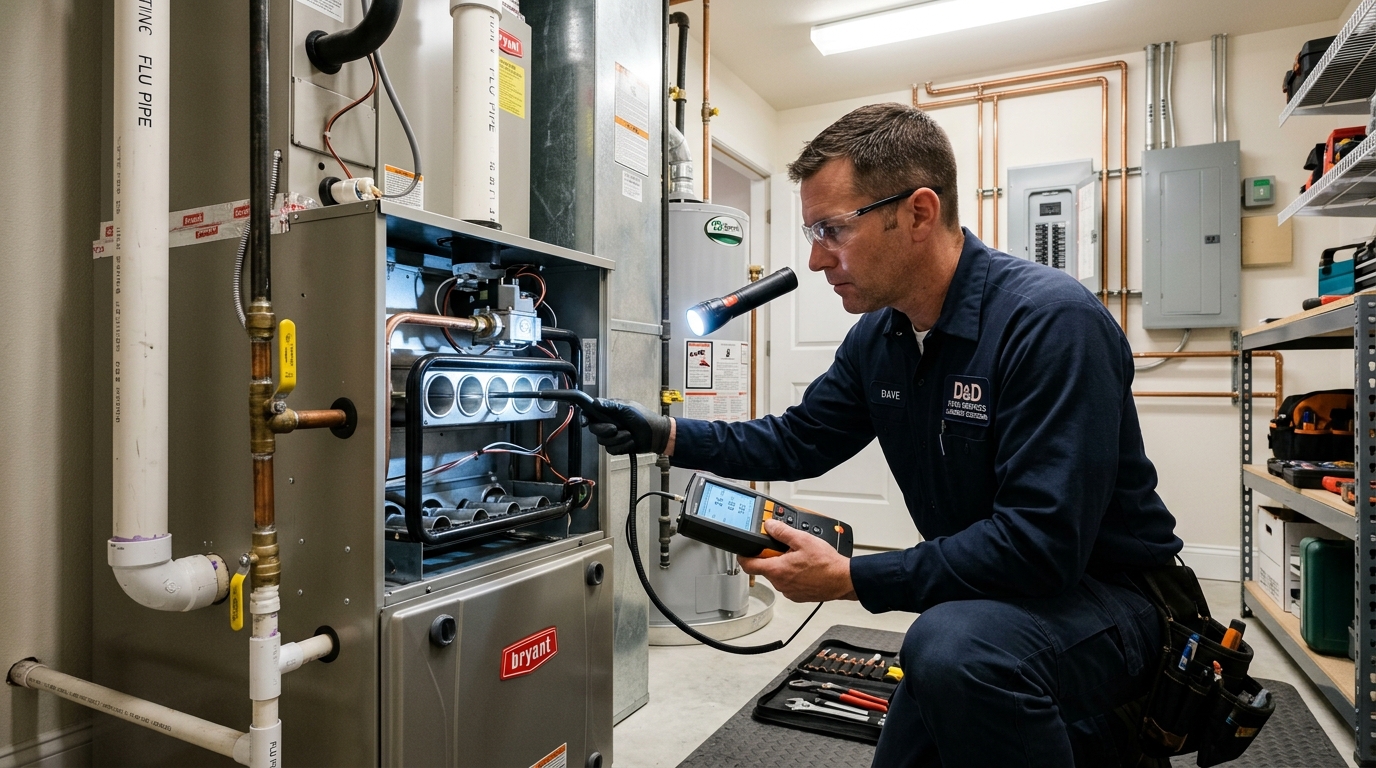
Critical combustion safety indicators, carbon monoxide hazards, flame rollout symptoms, and Texas TDLR furnace inspection requirements.
Read Full Guide →
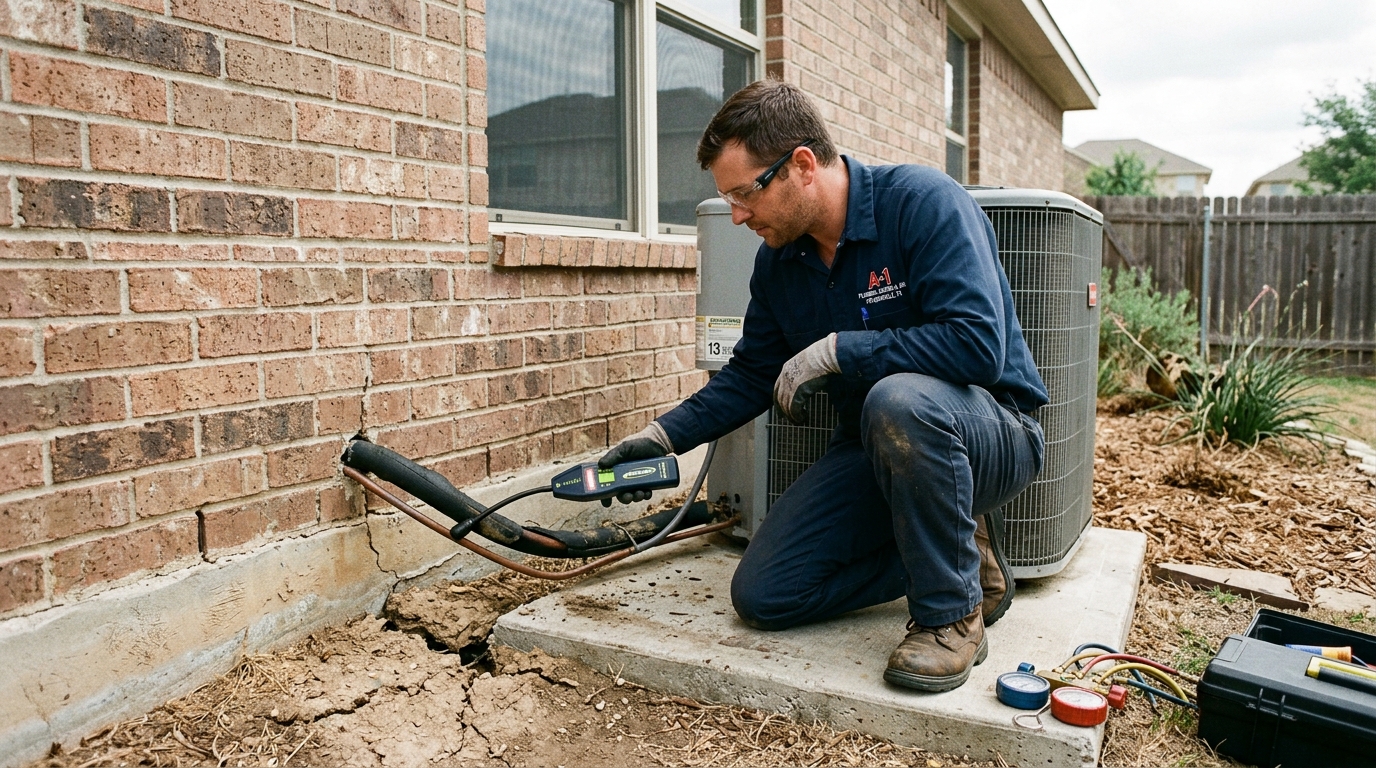
Discover how seasonal drought soil shrinkage tilts equipment pads and shears copper suction lines, causing loss of refrigerant and compressor burnout.
Read Full Guide →
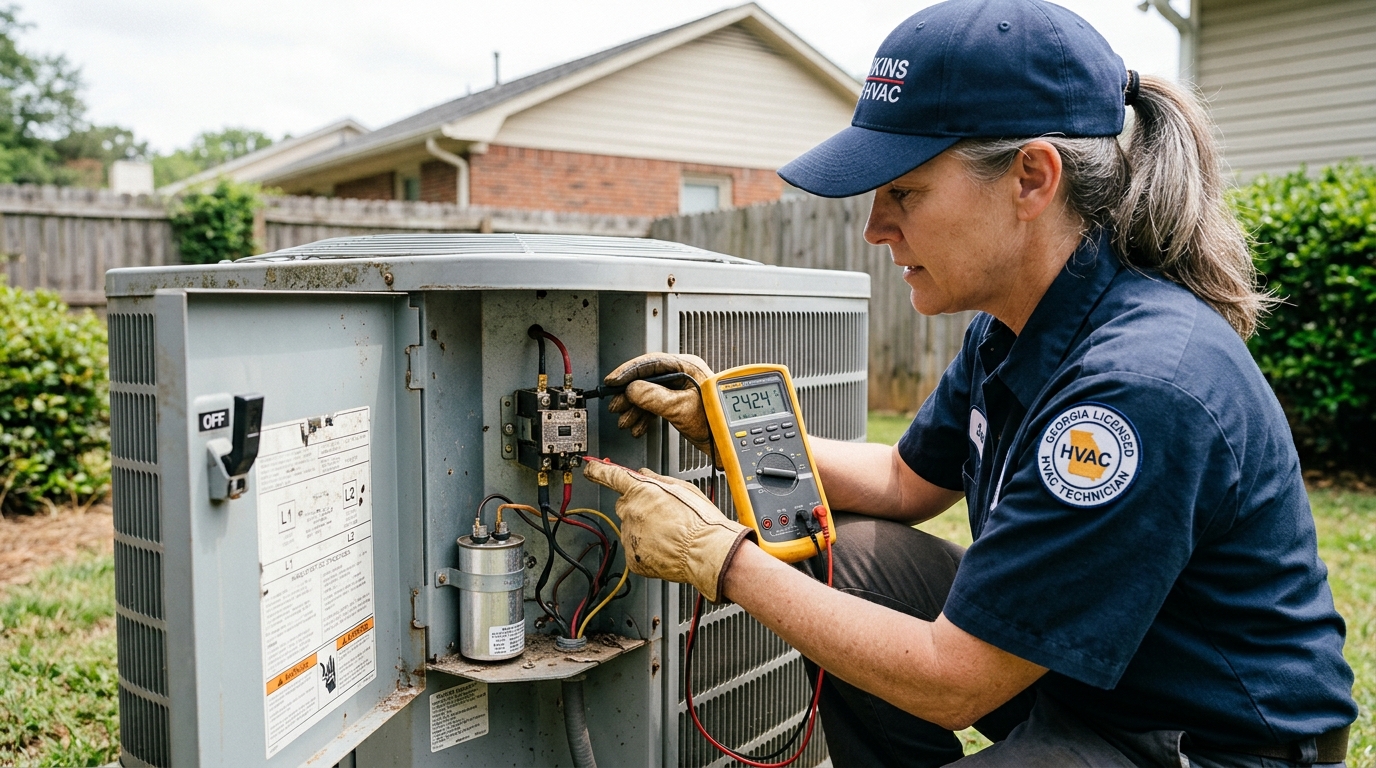
How voltage sags trigger Locked Rotor Amperage spikes, weld contactor points, and destroy capacitor dielectric oil during Texas summer grid stress.
Read Full Guide →
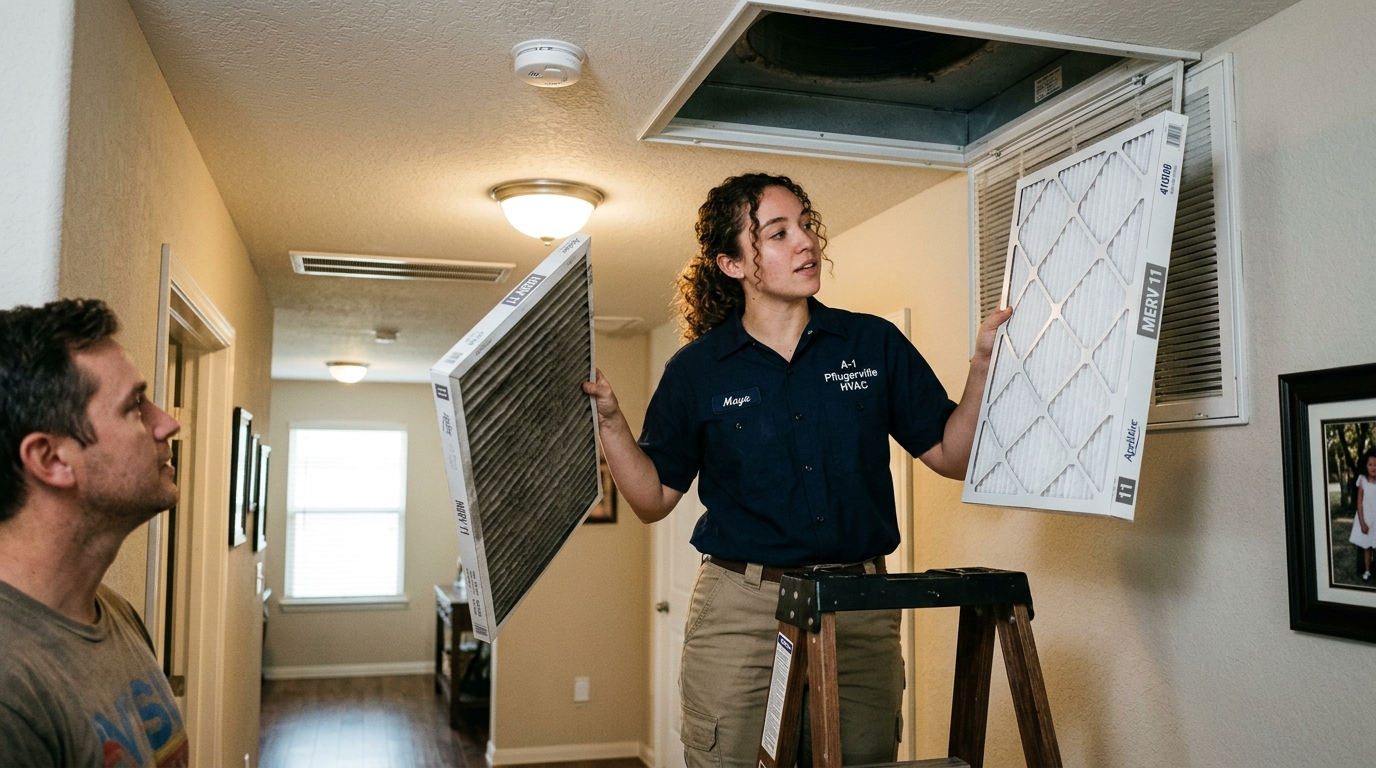
Protect indoor air quality during Mountain Cedar pollen season without choking return airflow or overloading residential blower motors.
Read Full Guide →
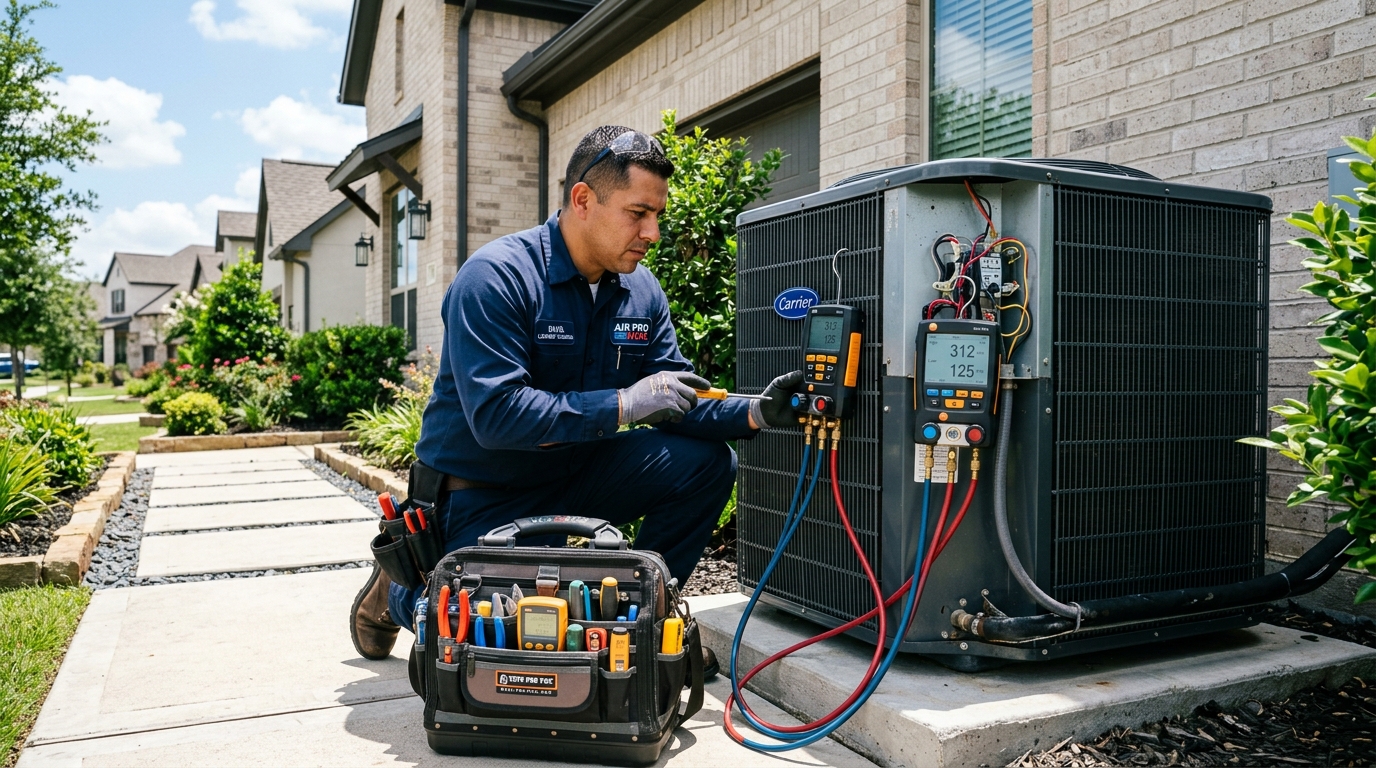
Engineering analysis of high condensing pressures, oil breakdown, and thermal fatigue during prolonged 100-degree Central Texas heatwaves.
Read Full Guide →
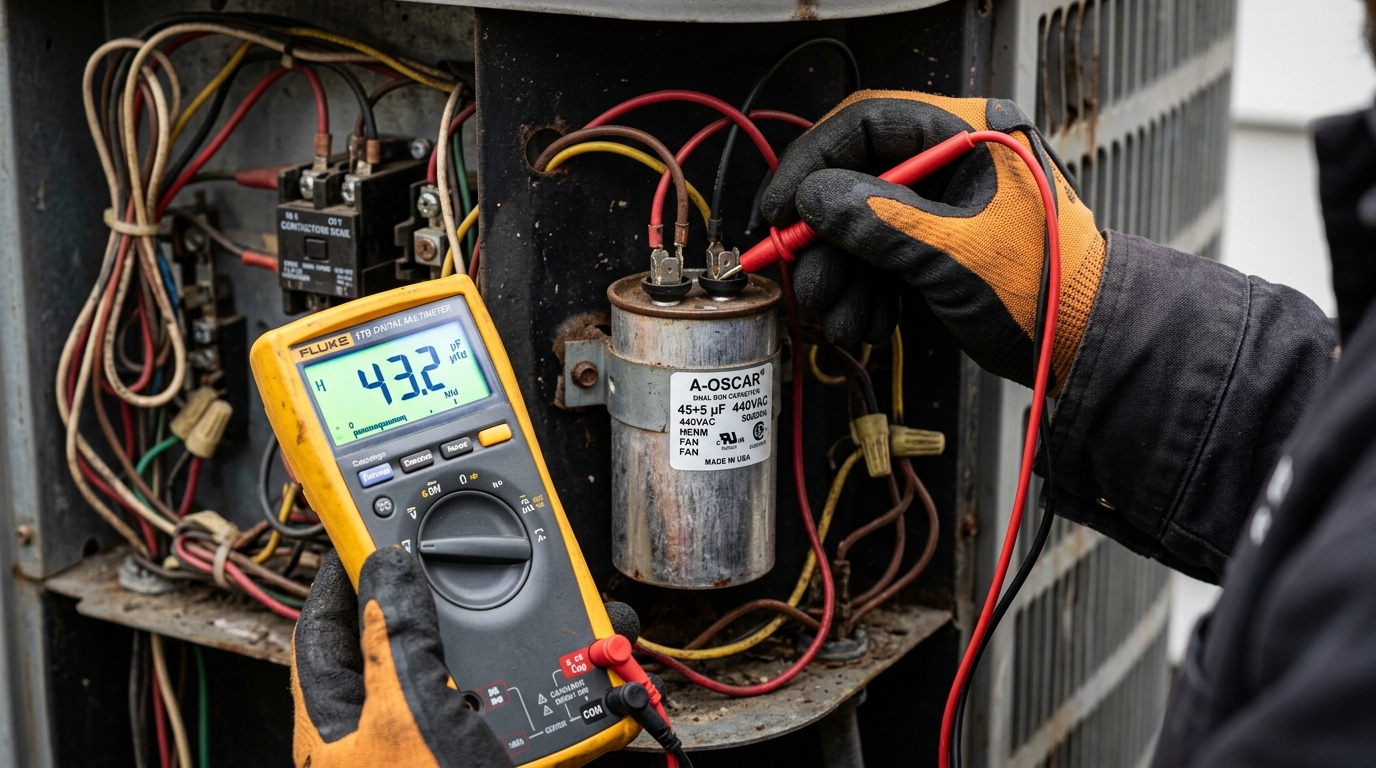
Multimeter microfarad capacitance testing procedures, tolerance benchmarks, and field replacement standards for failed run capacitors.
Read Full Guide →